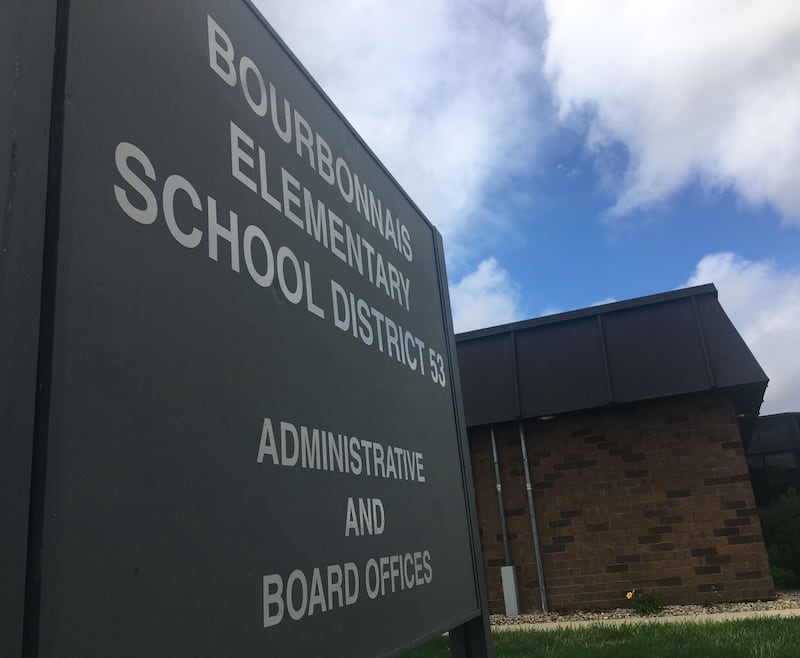
Bourbonnais Elementary School District 53 is asking for about $18 million for its 2025 tax levy, an increase of 4.99%.
The District 53 board OK’d the final levy request in December.
Dennis Crawford, chief school business official, said he expects about $562,595 in additional revenue for the district.
While the district’s total request is more than $18.06 million, Crawford said he expects the district actually will receive about $17.77 million.
The tax extension received for fiscal 2024 was about $17.21 million.
Crawford noted that Kankakee County’s tax cap is 5% or the change in the consumer price index from the prior year, whichever is less. The CPI change was 2.9% from 2024 to 2025.
Because the values of new property in the area still are estimates, the district’s levy request is ballooned so that no potential new revenue is left on the table.
“What I typically do is I elevate that levy a little bit, making sure I’m capturing all new property,” Crawford said.
The tax levy is the amount of funds the district will request to operate the district, and the tax extension is the actual amount that is billed to taxpayers, he said.
The district will submit the levy request to the Kankakee County Clerk’s Office.
In the spring, the county clerk’s office will take the requests from taxing bodies and process billing statements to property owners.
The money is collected in the summer and then given to the district over a series of five disbursements.
On average, Illinois school districts operate with about 63.7% of their budgets from property tax dollars, 24.5% coming from state dollars and 11.9% coming from federal dollars.
The Bourbonnais district operates from about 55% property tax dollars.
“We do not rely on property taxes quite as much as the majority of the state, but yet it’s still a necessity in order for us to have the money we need to educate our youth,” Crawford said.
To calculate the levy request, Crawford said he takes last year’s extension, multiplies it by the CPI and adds any new property that comes on the tax roll.
The CPI is typically below the 5% cap, but for a couple of years, it had spiked to 7% and 6.5%. Last year, it was back down to 3.4%.
Crawford said that during years when the CPI is greater than 5%, the district is unable to match that cost of living increase, although its costs continue to rise.
“Those make tough years for districts,” he said. “So the tax cap, it’s good for property tax owners, but sometimes it’s hard for us, as we’re operating when our costs are going up as well.”